

Commentary
The history of Telegram’s relations with the Russian state offers a salutary lesson for international platforms that believe they can reach a compromise with the Kremlin.
Maria Kolomychenko
{
  "authors": [
    "Ekaterina Barabash"
  ],
  "type": "commentary",
  "blog": "Carnegie Politika",
  "centerAffiliationAll": "",
  "centers": [
    "Carnegie Endowment for International Peace",
    "Carnegie Russia Eurasia Center"
  ],
  "englishNewsletterAll": "",
  "nonEnglishNewsletterAll": "",
  "primaryCenter": "Carnegie Russia Eurasia Center",
  "programAffiliation": "",
  "regions": [
    "Russia"
  ],
  "topics": [
    "Domestic Politics",
    "Civil Society"
  ]
}
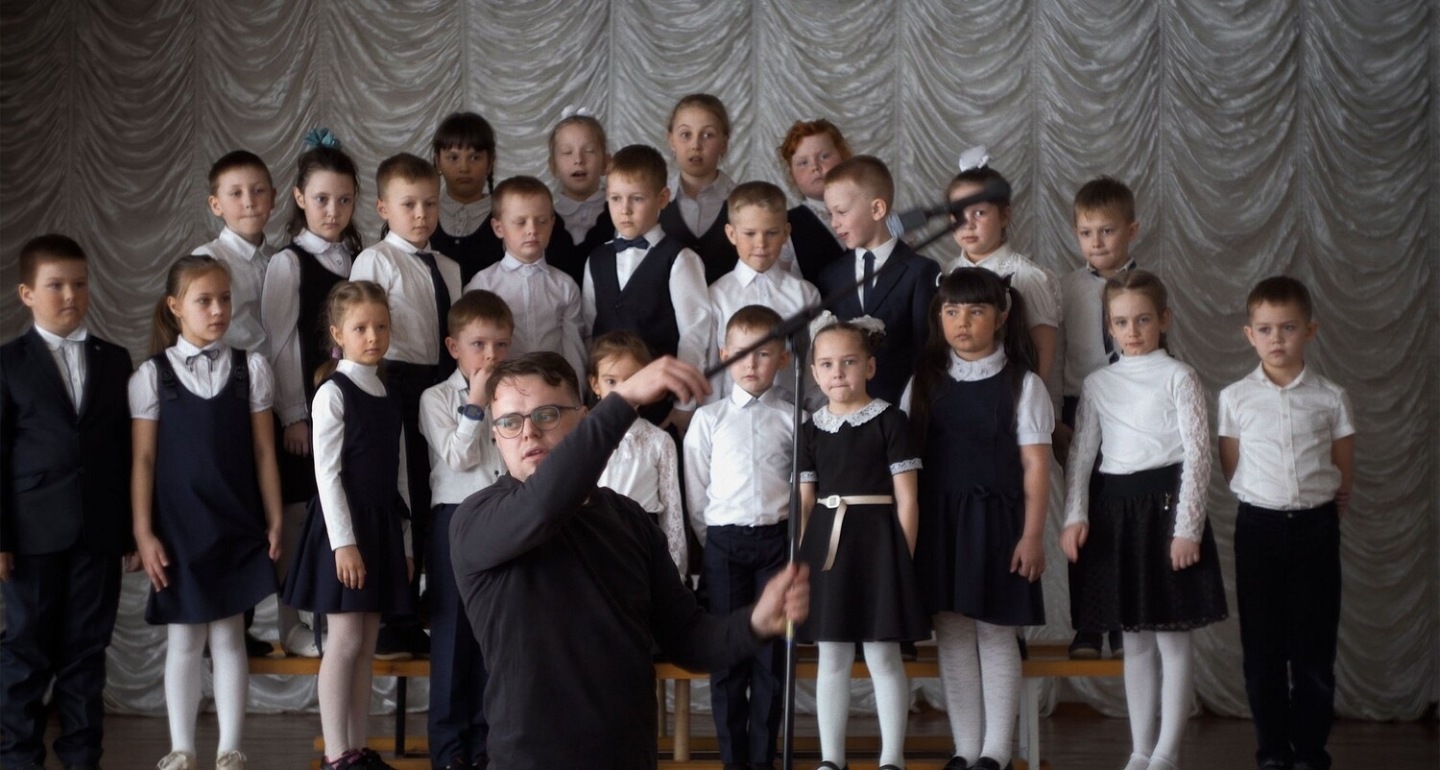
Source: Getty
Talankin and Borenstein’s documentary is a unique inside look at a regime that threatens the world and has killed thousands of people in its neighboring country. And many critics and general viewers alike draw parallels between the Putin regime and their own governments.
Pavel Talankin and David Borenstein’s film “Mr. Nobody Against Putin” has won the Oscar for best documentary feature. It was filmed in Karabash, a copper smelting town in the Urals that UNESCO once called the most toxic place on Earth. But as the film shows, it’s not just the pollution that makes it hard to breathe there.
Shortly after Russia’s full-scale invasion of Ukraine began, Russia’s Ministry of Education ordered school administrators to film their patriotic education programs and submit the videos as progress reports. The teachers obeyed, no strangers to outlandish orders from above. However, one teacher—an event coordinator and videographer at a school in Karabash—found a different use for his footage. Instead of submitting it to the ministry, Pavel Talankin sent it to foreign producers.
As Talankin worked on compiling the footage, the American documentary filmmaker who had reached out to him, David Borenstein, worked on a script to accompany this fascinating deep dive into Putin’s propaganda. In January 2025, the film was shown at the Sundance Festival, where it won a special jury award and sparked global attention.
Naturally, no one in Karabash was aware that Talankin was filming for the Western audience, so the teachers on the screen are poignantly sincere: intermediaries funneling military ideology into the children’s brains—assuring their students that the sanctions against Russia are worse for Europe, with the French running out of wheat, rye, and corn, or describing Ukrainians as foolish brothers who have veered off course and whom the Russian people will save.
“Commanders don’t win wars. Teachers win wars,” says Putin in a video clip that is interspersed with footage of the patriotic curriculum. This phrase rings true for Russians. After all, teachers also “win” elections by throwing away stacks of ballots at polling stations that are traditionally located at schools.
Talankin’s footage is shot with an amateur camera, but Borenstein’s editing is powerful, creating a storyline that shows both the evolution of the overall situation and individual character development. In any documentary, character development is a challenge, since the screenwriter can’t simply tell the actors what to say. In “Mr. Nobody Against Putin,” Borenstein’s job was even harder since his subjects didn’t even know that they were being filmed for the big screen.
And yet we see the children change as the film goes on. At first, Talankin’s office is constantly full of students who appreciate how different he is from the other teachers and sense his free spirit, even if they wouldn’t be able to explain why they are drawn to him. But time passes, Talankin’s office becomes deserted. Some students have already figured out that their favorite teacher is a black sheep; others have been warned off by their parents or other teachers.
One of these students is a girl named Masha: a teenager who wants to live a happy and carefree life. In an early conversation with Talankin, she mentions that her brother joined the military, and the salary he is getting—an impressive amount by Karabash’s standards. This is Chekhov’s proverbial gun, and it will indeed go off—tragically and predictably.
As the film continues, we see Masha change. No, she doesn’t join the opposition, doesn’t comprehend the true nature of the war, and doesn’t say a word against the regime. But we can see the doubts gnawing at her from the inside. She never voices her negative feelings, but we can see her fade away.
We can also see the war increasingly make itself felt in Karabash. The school, which takes its patriotic duties seriously, brings in mercenaries to teach the children how to march in uniform, how to shoot guns, and how to throw grenades “most effectively”—i.e., killing as many people as possible.
The mood of the film darkens. The enthusiasm wanes; the gravesites of former students appear. The war hits even closer to home for Talankin with the death of his classmate at the front. Talankin did not film the funeral, but he recorded the sound, and the wails and eulogies against a black screen are perhaps more powerful than the footage could be.
If anything, the skillful editing dulls the overall impact of the film. American, Dutch, and Czech cinematographers turned what was first envisaged as an amateur undertaking into a polished product. The distance between the concept and the result undermines the author’s credibility.
Some critics also argue that at times the film looks staged, and that it caters too much to the Western audience. But this is a good thing. The West should see who it might be at war with tomorrow: yesterday’s children, deceived and repressed by the adults in their lives.
Meanwhile, many in Russia object to the way that Talankin made the film without the consent of his colleagues and students. Albeit, he hadn’t used a hidden camera—he was the official videographer of the school’s patriotic curriculum; furthermore, as Talankin mentioned in an interview, parents signed forms every year giving their consent for the use of their children’s personal data.
Also, “Mr. Nobody Against Putin” doesn’t focus on the lives of specific individuals; it is a unique inside look at a regime that threatens the world and has already killed thousands of people in its neighboring country. Nor do the teachers have anything to fear. They are diligently and patriotically following the orders of the Ministry of Education. The only person who took a real risk was Pavel Talankin himself, but he was lucky enough to leave Russia in time.
The film has a 100 percent critic rating on Rotten Tomatoes, which is extremely rare. Many reviews—whether by professional critics or general viewers—project the Russian propaganda onto the realities of their own countries and draw parallels between the Putin regime and their own governments. One imdb.com review states that “the film’s greatest strength is its restraint” and that it delivers an unsettling “awareness that injustice can happen anywhere.”

Ekaterina Barabash
Film critic, journalist
Carnegie does not take institutional positions on public policy issues; the views represented herein are those of the author(s) and do not necessarily reflect the views of Carnegie, its staff, or its trustees.

The history of Telegram’s relations with the Russian state offers a salutary lesson for international platforms that believe they can reach a compromise with the Kremlin.

Maria Kolomychenko
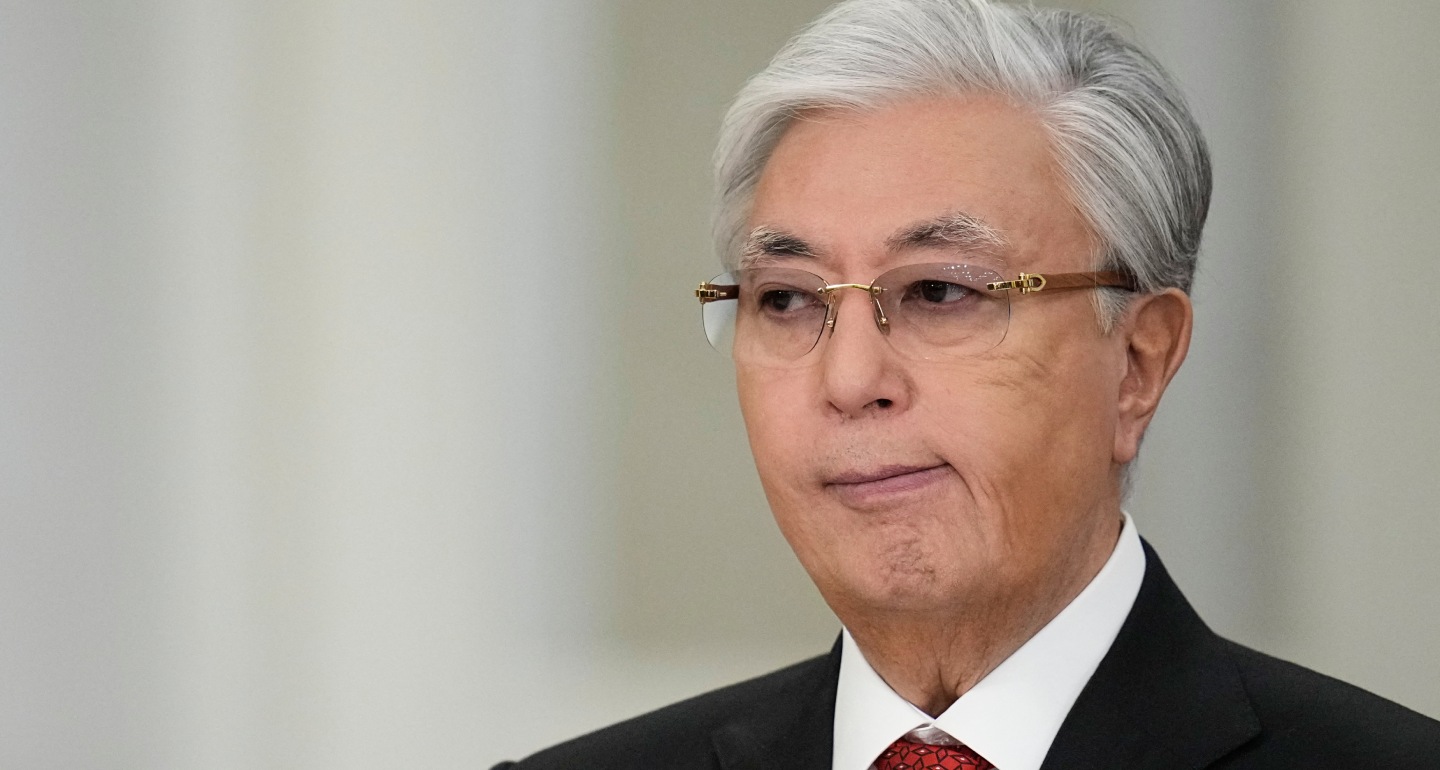
Kazakhstan’s new constitution is an embodiment of the ruling elite’s fears and a self-serving attempt to preserve the status quo while they still can.

Serik Beysembaev
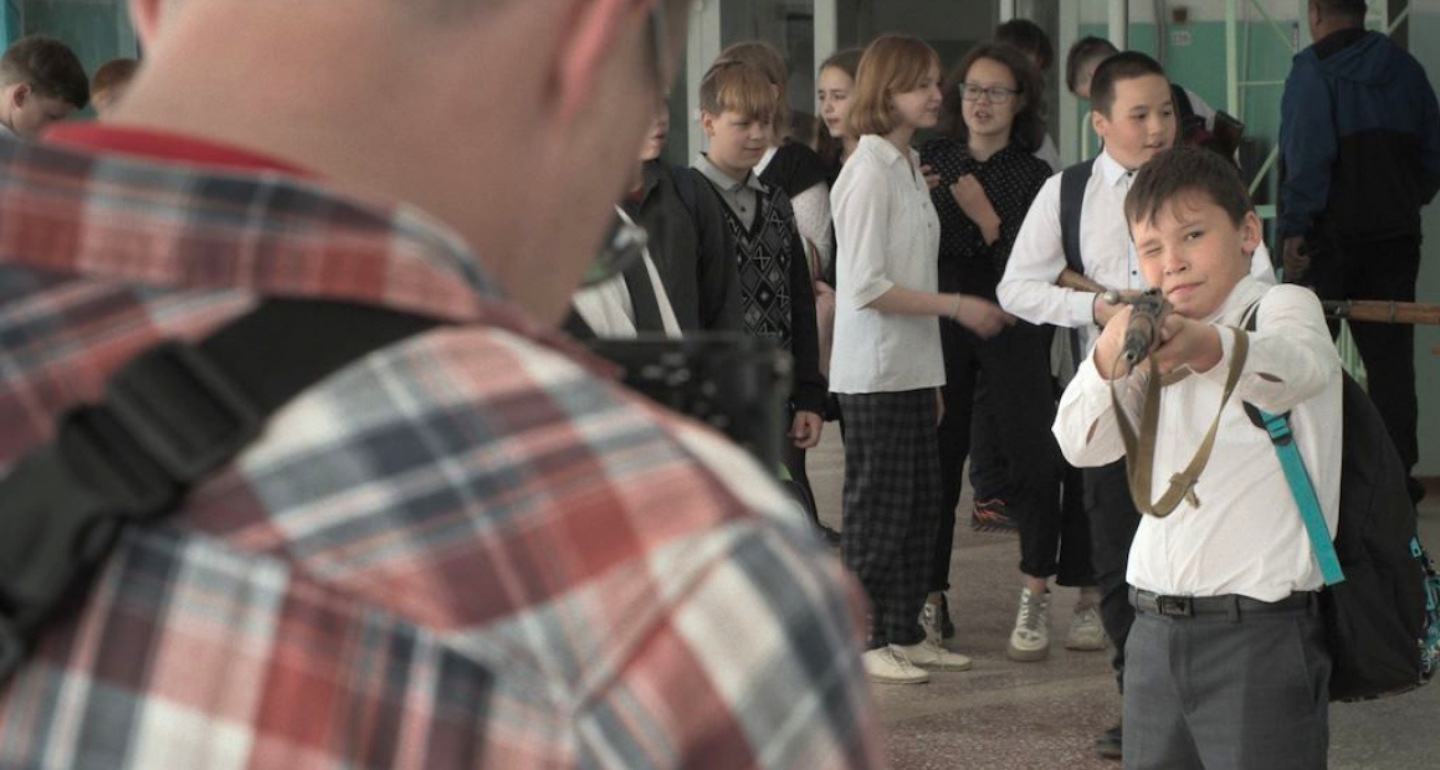
It’s disingenuous to criticize a film for simplifying Russia’s complexities when Russia is waging a brutally simple war of aggression against its neighbor.

Alexander Baunov
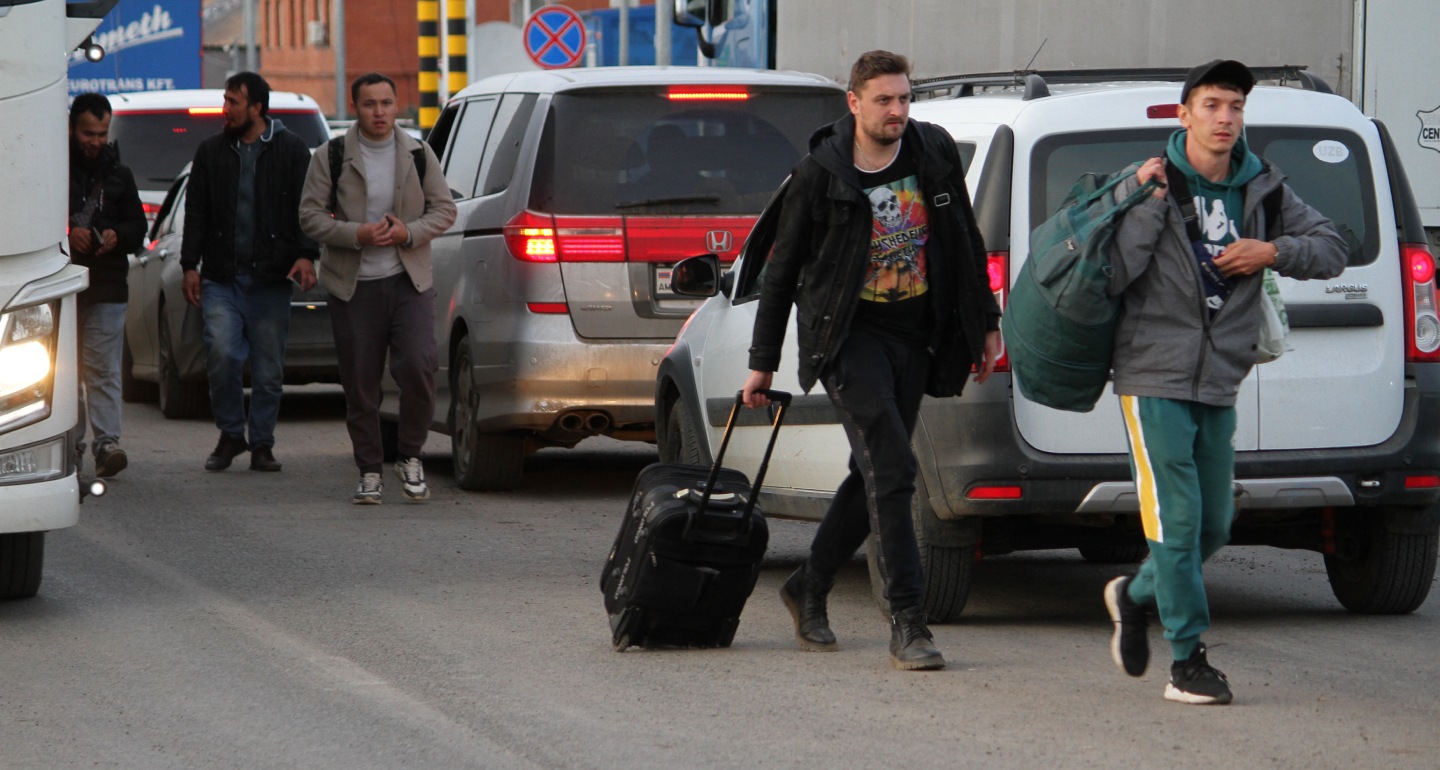
The current U.S. indifference to human rights means Astana no longer has any incentive to refuse extradition requests from its authoritarian neighbors—including Russia.

Temur Umarov
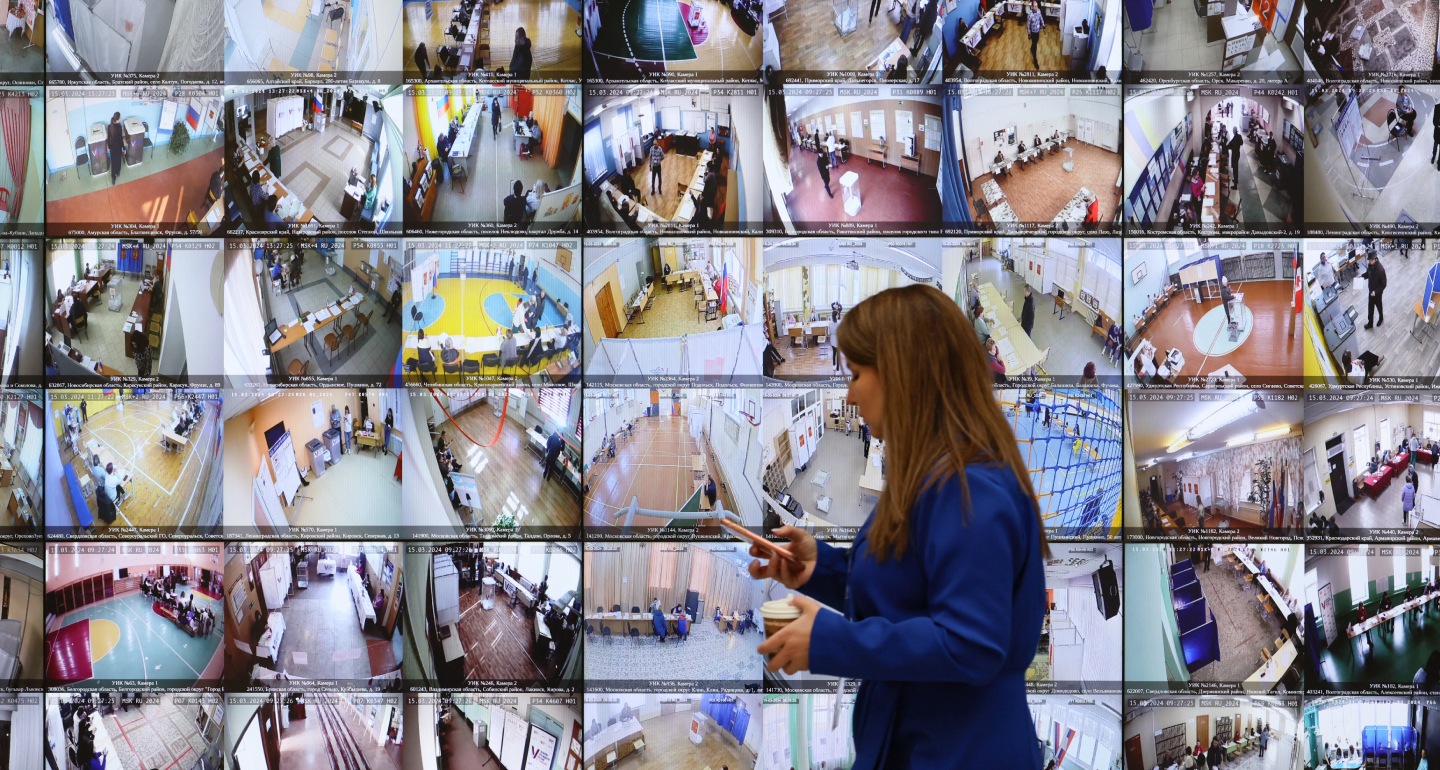
The use of technology to mobilize Russians to vote—a system tied to the relative material well-being of the electorate, its high dependence on the state, and a far-reaching system of digital control—is breaking down.

Andrey Pertsev