

Commentary
Kazakhstan’s new constitution is an embodiment of the ruling elite’s fears and a self-serving attempt to preserve the status quo while they still can.
Serik Beysembaev
{
  "authors": [
    "Maria Kolomychenko"
  ],
  "type": "commentary",
  "blog": "Carnegie Politika",
  "centerAffiliationAll": "",
  "centers": [
    "Carnegie Endowment for International Peace",
    "Carnegie Russia Eurasia Center"
  ],
  "englishNewsletterAll": "",
  "nonEnglishNewsletterAll": "",
  "primaryCenter": "Carnegie Russia Eurasia Center",
  "programAffiliation": "",
  "regions": [
    "Russia"
  ],
  "topics": [
    "Technology",
    "Domestic Politics",
    "Civil Society"
  ]
}
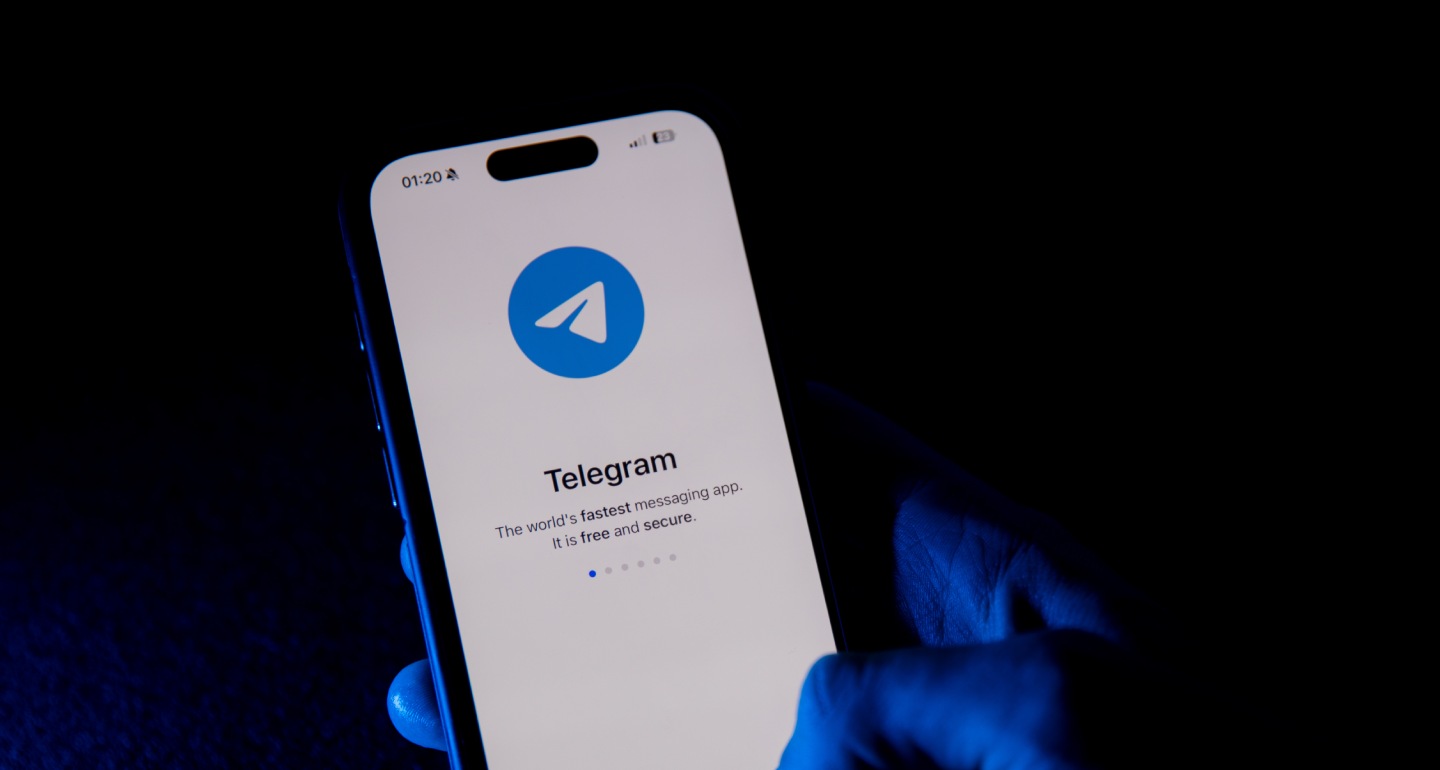
Source: Getty
The history of Telegram’s relations with the Russian state offers a salutary lesson for international platforms that believe they can reach a compromise with the Kremlin.
Russia is reported to be planning a full block of popular messaging app Telegram on April 1, 2026. This follows six months of creeping pressure, with the authorities stopping calls via the app, experimenting with a complete shutdown in some regions, and, in February, slowing its functionality nationwide.
WhatsApp is currently being subjected to a similar process—and Viber, Signal, Discord, and Facebook Messenger have already been entirely blocked. Nevertheless, Telegram is a special case. With almost 96 million users, it’s Russia’s most popular messaging app. As well as a social network, it’s also a media outlet, a tool to disseminate propaganda, and a source of uncensored information.
Almost all Russian state agencies have Telegram channels, including the Kremlin. As do opposition politicians, independent journalists, and uncensored media outlets. Telegram is also used by Russian soldiers to pass on battlefield coordinates, hold meetings, and talk to their families.
In other words, Telegram is simultaneously a means of communication, a propaganda vehicle, and a source of problems for the Kremlin. The goal of purging the Russian internet of everything that cannot be controlled means it should be blocked. But such a block also creates a lot of inconvenience—for ordinary Russians, the armed forces, and businesses.
Historically, Telegram has had a complicated relationship with the Russian state. As it was set up by a Russian—Pavel Durov—the authorities initially tried to claim it as a homegrown technological success. That was despite the fact that Durov ended up leaving the country because of a conflict over his first IT project: social media network VKontakte. In 2014, Durov was forced to sell his stake in VKontakte after a stand-off with the Federal Security Service (FSB) over his refusal to hand over information on political activists and opposition politicians.
Russia made its first attempt to block Telegram in 2017 amid a push to establish greater control of the internet. When Telegram said it couldn’t comply with the Yarovaya Law, which required all online services to hand over decryption keys aton the FSB’s request, Russia’s online watchdog and censor Roskomnadzor tried to block it.
However, it wasthey were unsuccessful. Not every operator, or every Russian region, had Deep Packet Inspection (DPI) at this point, and IP blocks were easily evaded. Eventually, Roskomnadzor had to stop trying to block millions of IP addresses—so as to avoid paralyzing the entire Russian internet.
The failure pushed the Kremlin to create a far more effective system for controlling the internet—and this system has since been used to block services including Facebook, YouTube, LinkedIn, and X.
Unexpectedly, the Russian authorities reversed course in 2020, allowing Telegram to operate normally again. It soon became the messaging app of choice for Russian officials—sparking rumors that Durov had reached some sort of an agreement with the FSB. The rumors snowballed after the full-scale invasion of Ukraine, when Telegram became Russia’s only major unblocked messenger not controlled by the Kremlin.
Telegram’s dominant position came under threat at the start of 2025, when Russian internet giant VK launched messaging app MAX. The rhetoric from Russian officials changed overnight, and Telegram was widely criticized for spreading banned information, not addressing the problem of scammers, illegal personal data practices, and even handing messages to foreign intelligence services. Initially, these allegations served as a justification for Roskomnadzor to block calls via Telegram, then to slow the entire app’s functionality.
In response, Durov said the restrictions were designed to “force Russians to use a different app.” He was referring to MAX. And it’s true the authorities have done everything to promote MAX: from advertising to forcing organizations to sign up.
At the same time, VK’s dubious reputation meant the state-led promotion of MAX was only moderately successful. Controlled by a subsidiary of state-owned gas giant Gazprom, VK is rightly mistrusted. In criminal cases linked to posts (or reposts) it has been repeatedly shown that VKontakte, which is owned by VK, has handed user data to the security services without a court decision, or even an official request. Apparently all that was needed was an email from investigators.
Amid the war in Ukraine, VKontakte has been repeatedly called Russia’s most unprotected and unsafe social network. According to rights groups, 15 percent of all criminal cases against anti-war Russians are linked to VKontakte posts.
Nevertheless, Telegram’s fate appears to be sealed. After the authorities began slowing Telegram’s functionality, some deputies said there was a chance it could still reach an agreement with Roskomnadzor. But subsequent developments—including a soldier describing Telegram as a “hostile means of communication” during a meeting with President Vladimir Putin—suggest the authorities are preparing to impose a total block.
Andrei Svintsov, Deputy Chairman of the State Duma Committee on Information Technologies, has even said Telegram could be designated as an extremist or terrorist organization. If that happens, it will be a legal danger not only for Durov, but for all Russians who have made a payment to Telegram—for example, buying a Premium subscription, or advertising.
A claim on March 5 by the Federal Antimonopoly Service that advertising on Telegram was already illegal has only added to the uncertainty. This was strange because Telegram has not (yet) been declared extremist, and a November 2024 law explicitly allows Telegram channels with over 10,000 followers to post advertising if they register with Roskomnadzor. Should the ban on advertising be confirmed, it would be significant: Telegram hosts about 40 percent of the Russian’s influencer market (i.e., the promotion of goods and services by bloggers).
Such inconsistency is a good illustration of why attempts to reach a long-term agreement with the Kremlin are fruitless. Just a year ago, Russian officials were calling Telegram the “main way to get information,” and it was being used not only for official communications, but also by soldiers fighting in Ukraine. Now, it has been deemed a “hostile social network.”
All this is a good lesson for international companies that still think they can compromise with Moscow. For example, Roskomnadzor said at the end of 2025 that online gaming platform Roblox—which is blocked—was ready to “remove destructive information.” The story of Telegram shows that even informal connections, attempts at dialogue, and concessions can’t win you guarantees.
The Kremlin is trying to make the Russian internet into a closed ecosystem, where all key services are controlled, and accessible to the FSB. If there are foreign platforms not yet blocked, it’s only because there’s not yet a viable domestic alternative.

Maria Kolomychenko
Special correspondent for The Bell
Carnegie does not take institutional positions on public policy issues; the views represented herein are those of the author(s) and do not necessarily reflect the views of Carnegie, its staff, or its trustees.
Kazakhstan’s new constitution is an embodiment of the ruling elite’s fears and a self-serving attempt to preserve the status quo while they still can.

Serik Beysembaev
It’s disingenuous to criticize a film for simplifying Russia’s complexities when Russia is waging a brutally simple war of aggression against its neighbor.

Alexander Baunov
The current U.S. indifference to human rights means Astana no longer has any incentive to refuse extradition requests from its authoritarian neighbors—including Russia.

Temur Umarov

Most of Moscow’s military resources are tied up in Ukraine, while Beijing’s foreign policy prioritizes economic ties and avoids direct conflict.

Alexander Gabuev, Temur Umarov
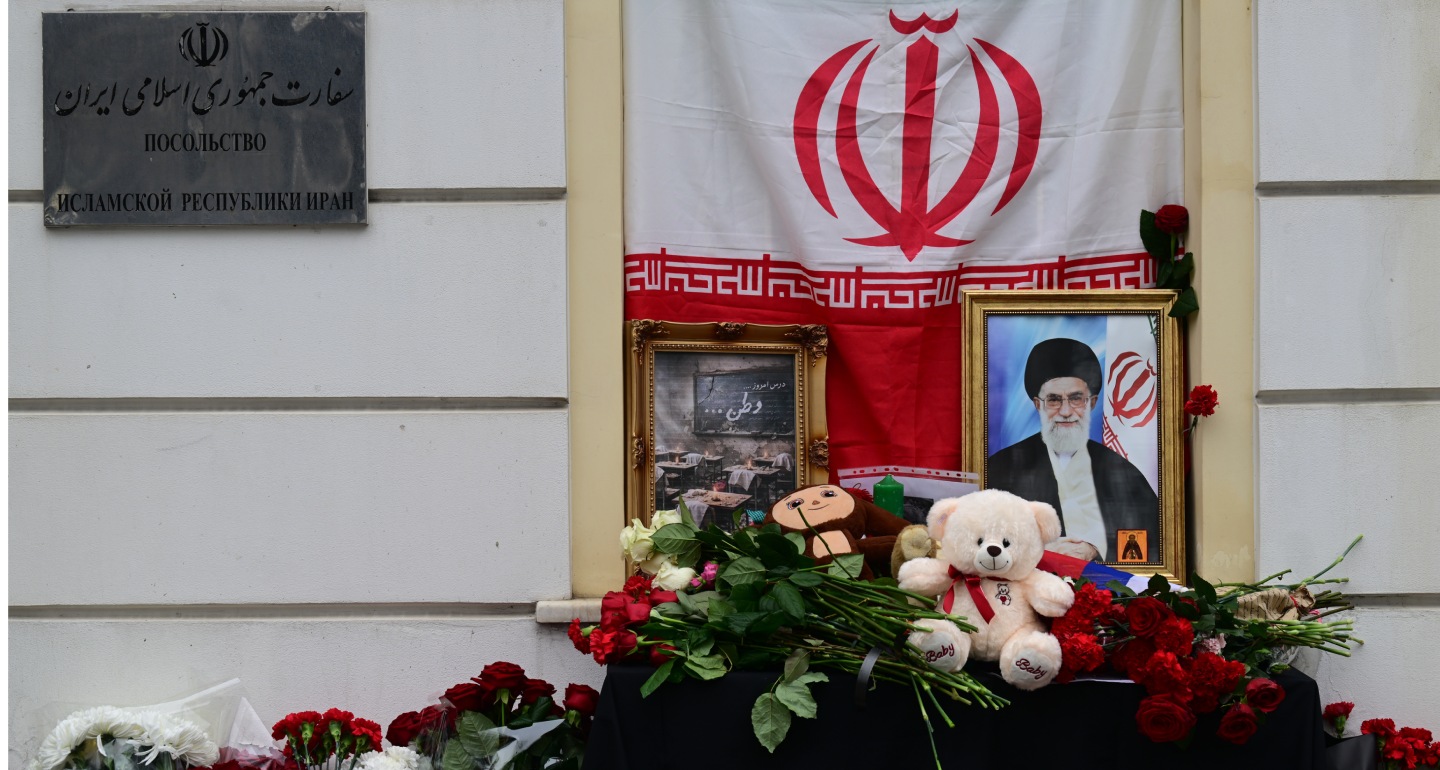
If the regime in Tehran survives, it could be obliged to hand Moscow significant political influence in exchange for supplies of weapons and humanitarian aid.

Nikita Smagin