

Commentary
A conversation with Karim Sadjadpour and Robin Wright about the recent protests and where the Islamic Republic might go from here.
Aaron David Miller, Karim Sadjadpour, Robin Wright
{
  "authors": [
    "Paul Staniland"
  ],
  "type": "commentary",
  "blog": "Emissary",
  "centerAffiliationAll": "",
  "centers": [
    "Carnegie Endowment for International Peace"
  ],
  "englishNewsletterAll": "",
  "nonEnglishNewsletterAll": "",
  "primaryCenter": "Carnegie Endowment for International Peace",
  "programAffiliation": "",
  "programs": [
    "South Asia"
  ],
  "projects": [],
  "regions": [
    "Bangladesh",
    "India",
    "United States",
    "China"
  ],
  "topics": [
    "Political Reform",
    "Democracy",
    "Domestic Politics"
  ]
}
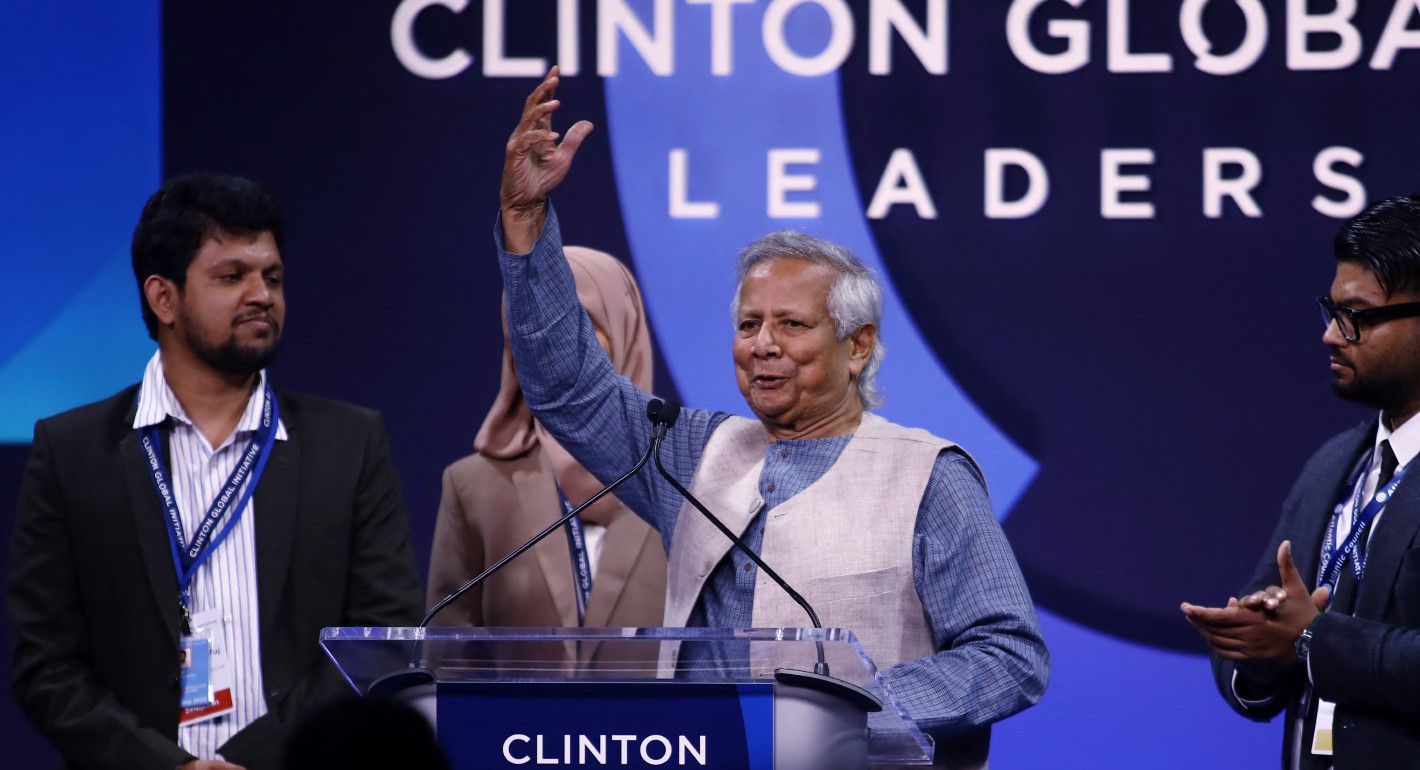
Bangladesh interim leader Muhammad Yunus speaks in New York City in September. (Photo by Leonardo Munoz/AFP via Getty Images)
The country’s future has many open questions and few answers after the collapse of the Hasina government.
The dramatic collapse of former Bangladesh prime minister Sheikh Hasina’s government has created extraordinary churn and uncertainty at home, in the region, and geopolitically. A student-driven movement led to widespread demonstrations that triggered a crisis within the regime, most notably the military’s refusal to repress the protests. Hasina is now in India, and an interim government is in place in Dhaka, advised by Nobel laureate Muhammad Yunus. External observers are watching developments carefully to understand what trajectory Bangladesh might take.
The most important questions are domestic. The aftermath of political revolutions can go in numerous directions, from civil war to the consolidation of a new and broadly accepted political system, and everything in between. Hasina’s regime was what political scientists refer to as “competitive authoritarian”: there were elections, but her Awami League political party used the state apparatus to undermine the opposition and tilt the playing field to its advantage. The sudden end of that configuration has thrown the entire political system into a state of flux. The interim government is pursuing reforms of key sectors of the state, including the electoral system, the police, and the constitution.
The good news is that Bangladesh is better positioned for stability than many other post-regime change cases. A state structure is in place, even if hollowed out and in need of serious reform. The comparative lack of large-scale regional or ethnolinguistic cleavages avoids some of the sources of state failure and political polarization witnessed in other contexts (though violence in tribal areas is a worrying development). Labor mobilization, which has been a regular occurrence in recent months, is generally not a source of political breakdown in these cases.
In comparative perspective, Bangladesh has solid ingredients for successfully building a new political arena. Nevertheless, there are serious dangers. The most immediate challenge is the breakdown in basic state functioning, especially law and order (as Yunus has acknowledged). Insecurity creates an opening for vigilantism and mob violence, and it undermines political stability and economic investment. The mobilization of anti-Hindu and anti-blasphemy sentiment is a particularly potent potential driver. A key question moving forward will be how political parties and state institutions will deal with the relationship between Islam and Bangladeshi nationalism.
The biggest open question is what political reforms will look like, how and in what sequence they will be implemented, and when and in what manner new elections will be held. Historically, this kind of transition can collapse in two ways. Elite power struggles, including coups, autocratic seizures of power by civilian leaders, and interparty deadlock, can stall the creation of a democratic post-revolutionary government. This can lead to some form of autocracy or even state breakdown. Alternatively, bottom-up discontent—ranging from mass protests to political violence—can undermine post-revolutionary governments’ ability to construct functional new institutions by causing a crisis of legitimacy. These challenges can also become dangerously entangled: for instance, communal or street violence can provide a motivation (or pretext) for leaders to double down on authoritarianism in the name of public order.
In the face of these dangers, Bangladesh’s current configuration of political forces, with an interim, unelected government partnering with the army, will need to make clear political progress with transparent goals and timelines. It will also need to make decisions about how best to spur economic development. Bangladesh has been suffering economically since the onset of the pandemic, and a lack of economic opportunity was a key source of discontent with Hasina’s government. The summer’s instability contributed to further challenges in attracting investment. While the sacrifices and success of the anti-Hasina movement have provided the interim government with initial legitimacy, the longer it holds office, the more it will need to show economic benefits and political progress.
If evidence of forward movement is replaced with a sense of political stagnation, the government will face dissension from within and criticism from citizens about the appropriate timing and structure of elections, which political changes are democratically legitimate, and how political and economic power should be allocated. For instance, the Bangladesh Nationalist Party (BNP)—the Awami League’s longtime rival—has articulated a different timeline for elections than the Bangladesh Army (and the fundamentalist Jamaat-e-Islami), which could lead to conflict over the right time for elections. Similarly, the status of Hasina’s Awami League in a future election and how to punish those responsible for rights abuses could become objects of debate and disagreement. The political leadership needs to be attentive to the ways that a transition to a new and effective democratic system could become bogged down.
Furthermore, Bangladesh is enmeshed in a complicated foreign policy environment. India was dismayed by the collapse of Hasina’s government, and many in India are deeply concerned about anti-Hindu violence and the prospect of greater Islamization of Bangladeshi state and society. They are also reminded of past Bangladeshi support for insurgents operating in remote pockets of northeastern India. On the other hand, many Bangladeshis view India as having been an unconditional supporter of the Hasina regime and its abuses and are in no mood to listen to Indian lectures about human rights and minority protection.
Of late, India has been able to recover from foreign policy missteps that made it an attractive domestic political target in Nepal, Sri Lanka, and Maldives, but its deep association with Hasina (as well as her current, even if temporary, residence in India) makes it harder to quickly and credibly pivot. In turn, Bangladesh cannot afford to alienate India; its sheer size and proximity provide it with leverage that Bangladesh’s ties to China and the West cannot fully offset. The interim government hopes to establish a stable new equilibrium in India-Bangladesh relations that does not privilege India as much as under Hasina’s rule.
Bangladesh will also need to deal with the escalating civil war in Myanmar and especially the extraordinary level of conflict in Myanmar’s Rakhine state, which borders Bangladesh. Refugee flows and the growing power of the Arakan Army—an ethnic armed group in Myanmar that now controls much of Rakhine—both will present political challenges that the interim government will need to navigate.
Finally, broader geopolitical issues are at play. Disagreements between the United States and India over how to handle the Hasina government—especially in the run-up to Bangladesh’s 2024 election and its aftermath— revealed real differences in the countries’ strategic assessments. The United States sees the collapse of Hasina’s rule as evidence that its diagnosis of the regime’s underlying instability and growing reliance on repression was ultimately correct. Some in India, however, see the “foreign hand” of the United States in her fall.
From America’s perspective, helping Yunus and the interim government rebuild democracy and keep China at bay is a key priority. Many in India view this approach either as providing a dangerously naïve opening to Islamist influence or as a cunning strategy for limiting Indian influence in the region. These differences will not roll back U.S.-India strategic convergence, but they are a crucial reminder that the United States and India reside in different neighborhoods and have different interests and perceptions.
Both the United States and India are concerned about China’s influence in Bangladesh. Hasina had successfully balanced close ties to New Delhi with a strong relationship with Beijing, but China has nimbly adapted to regime change. For the United States, advancing good governance and functional democracy in Bangladesh, ideally under the rule of relatively secular and pro-Western political forces, is seen as the best way to contain Chinese influence. Yet it is important for Washington to recognize that Dhaka has shown little inclination to become part of America’s China containment strategy. As in Nepal and elsewhere in South Asia, the United States will be most effective at providing distinctive complements, not direct substitutes, to what China has to offer, while being realistic about Bangladesh’s desire to maintain good ties with all major powers.
The latest from Carnegie scholars on the world’s most pressing challenges, delivered to your inbox.
Carnegie does not take institutional positions on public policy issues; the views represented herein are those of the author(s) and do not necessarily reflect the views of Carnegie, its staff, or its trustees.
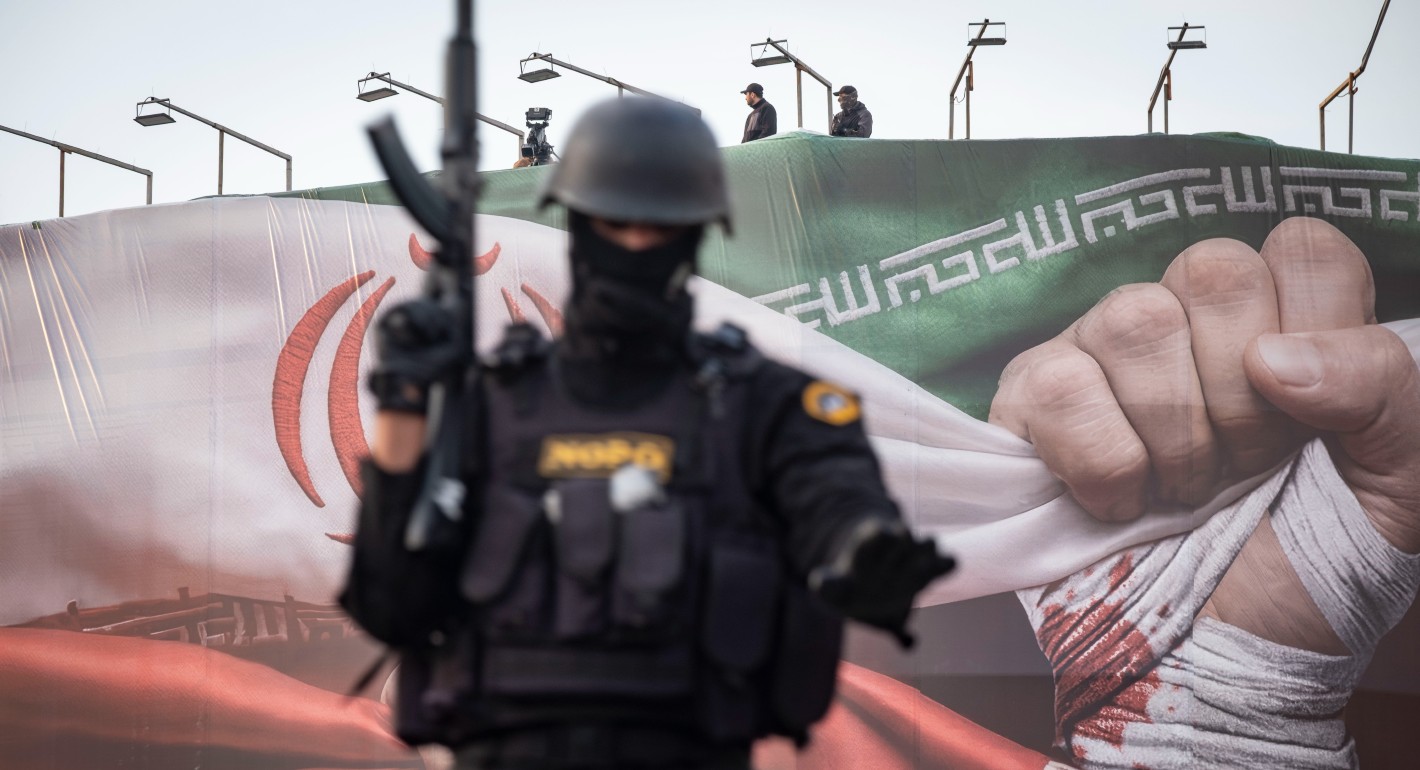
A conversation with Karim Sadjadpour and Robin Wright about the recent protests and where the Islamic Republic might go from here.
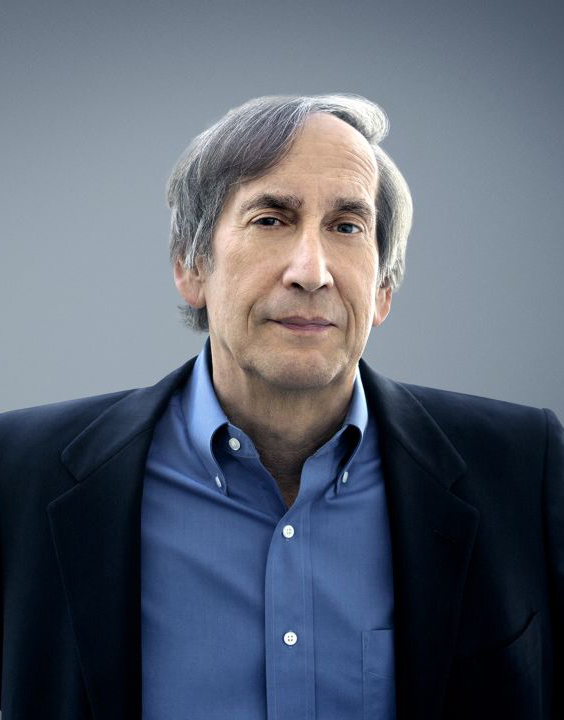
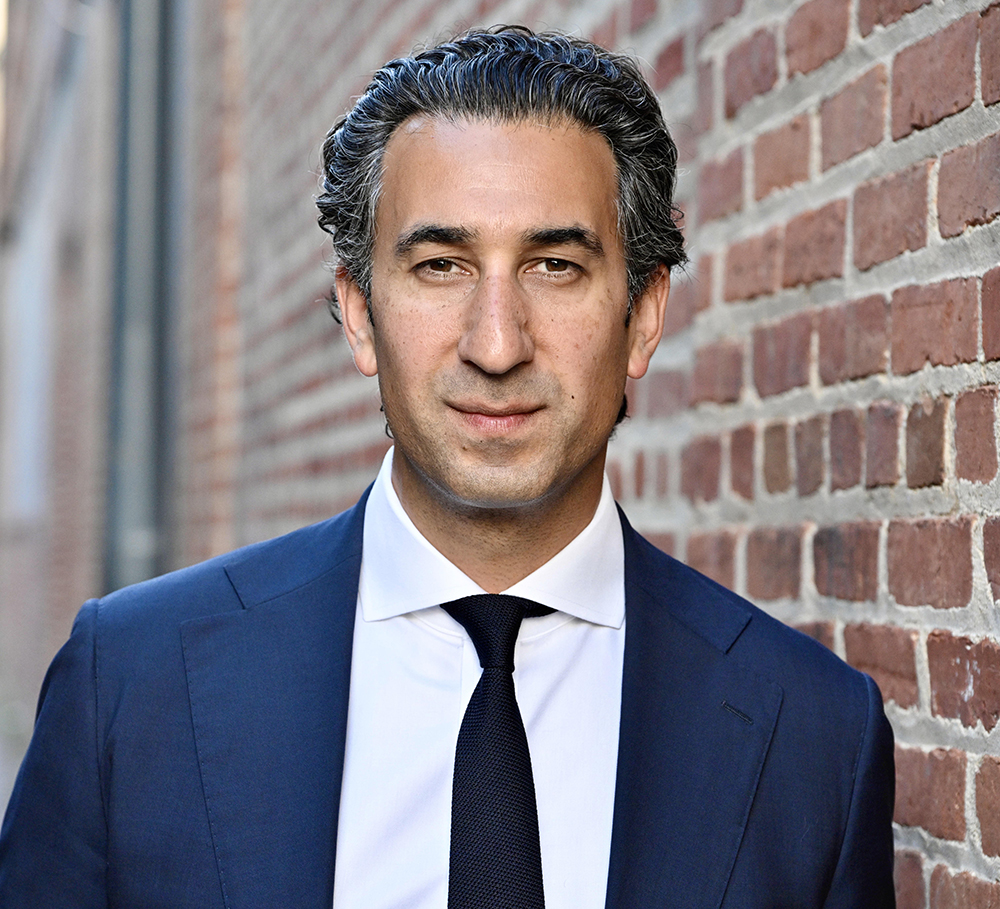

Aaron David Miller, Karim Sadjadpour, Robin Wright
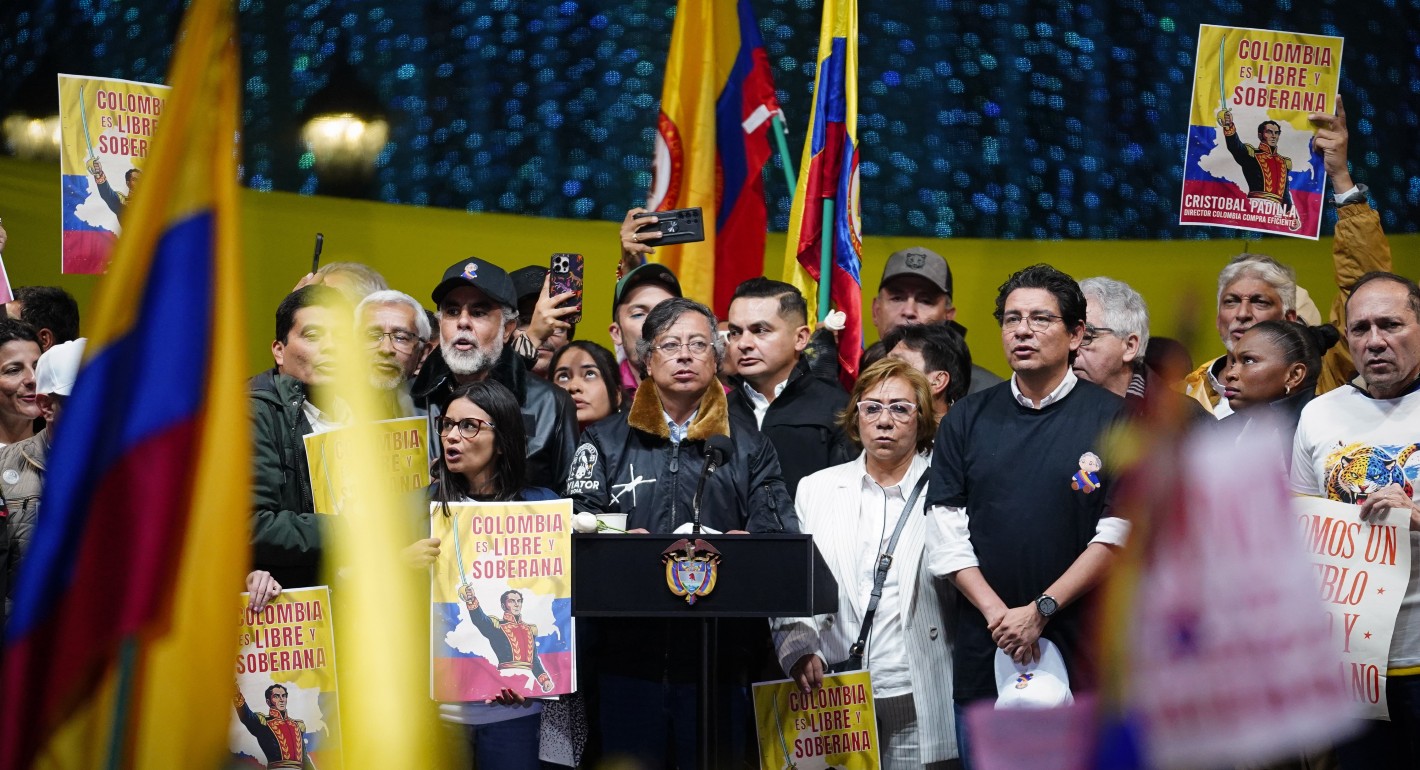
When democracies and autocracies are seen as interchangeable targets, the language of democracy becomes hollow, and the incentives for democratic governance erode.

Sarah Yerkes, Amr Hamzawy
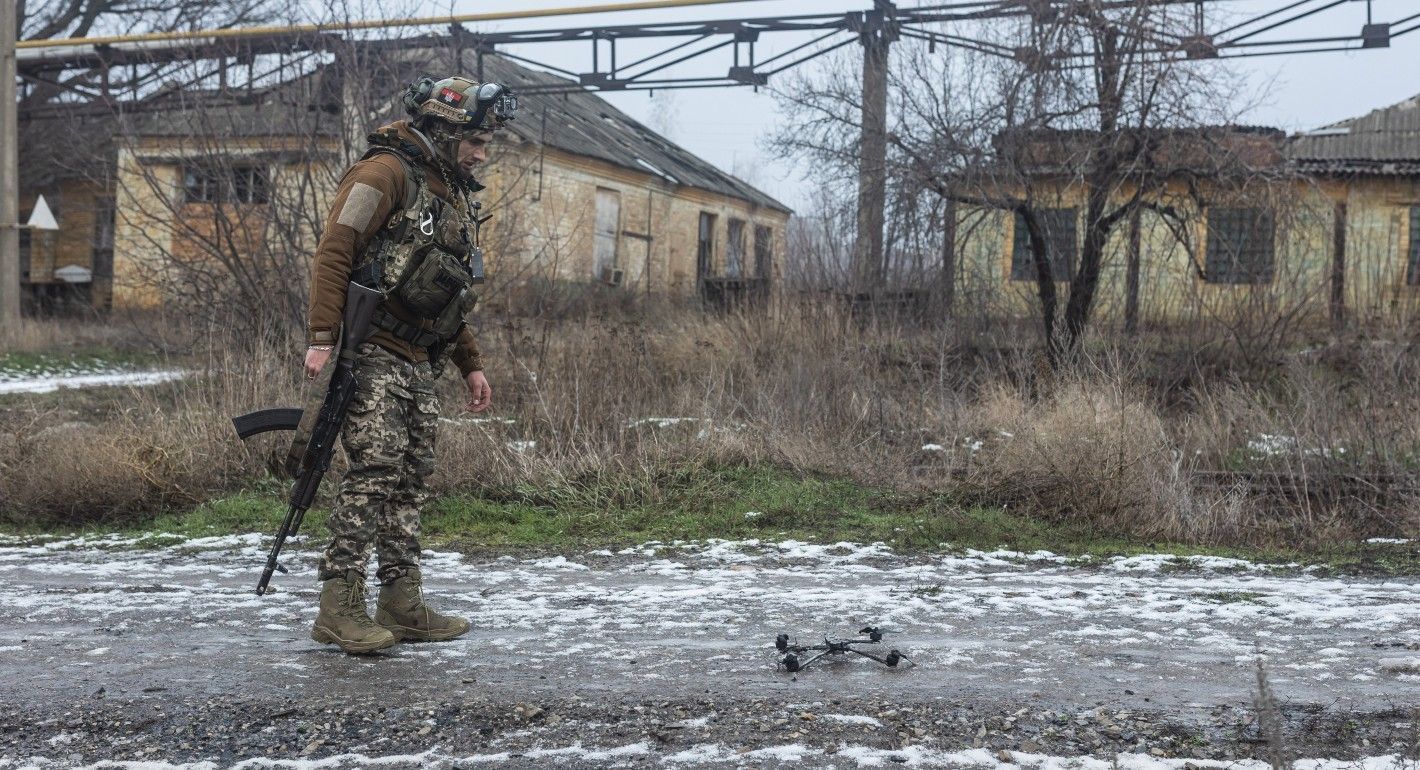
From Sudan to Ukraine, UAVs have upended warfighting tactics and become one of the most destructive weapons of conflict.


Jon Bateman, Steve Feldstein
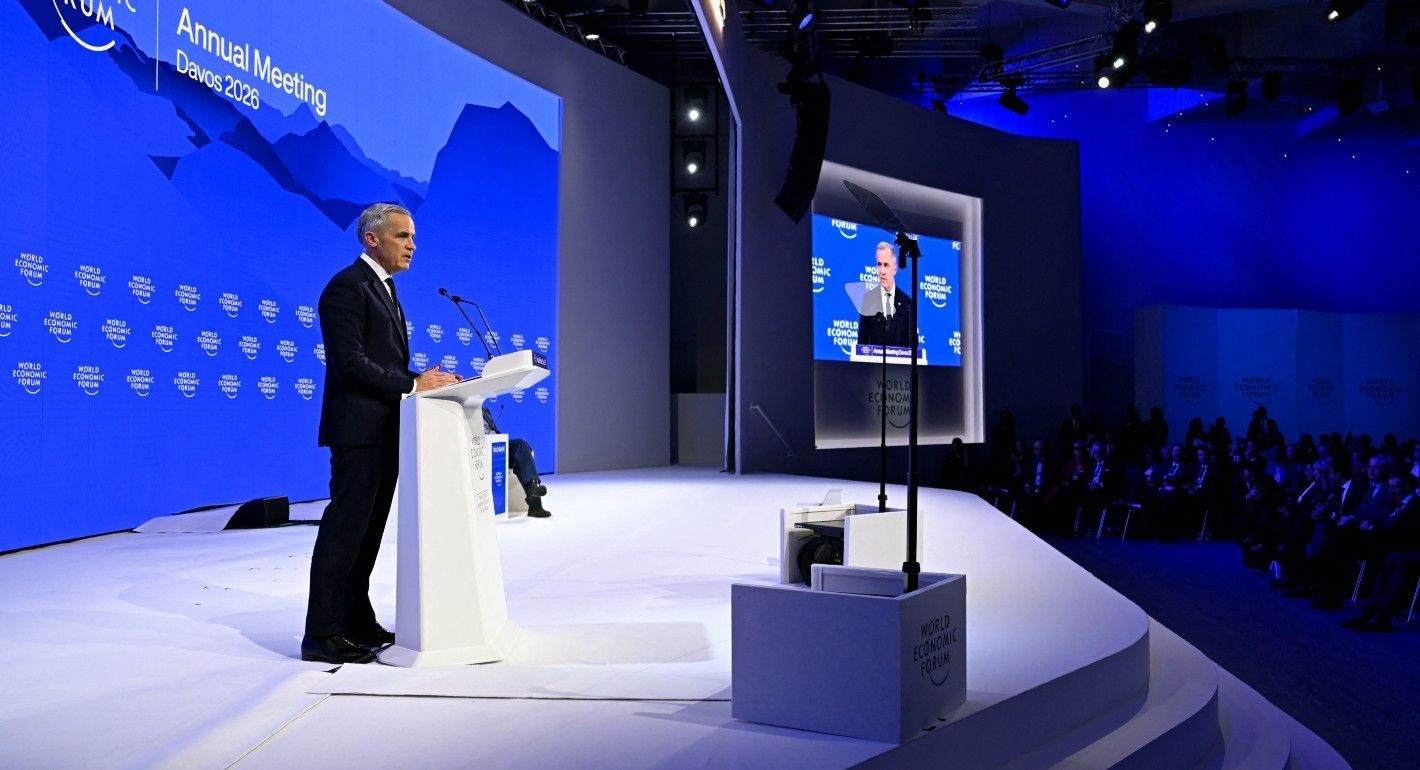
And how they can respond.


Sophia Besch, Steve Feldstein, Stewart Patrick, …
They cannot return to the comforts of asymmetric reliance, dressed up as partnership.
Sophia Besch